Showing posts with label Colours. Show all posts

Tuesday, 9 July 2013

THE BLUE-TAILED DAMSELFLY AND HIS COLOURFUL FEMALES


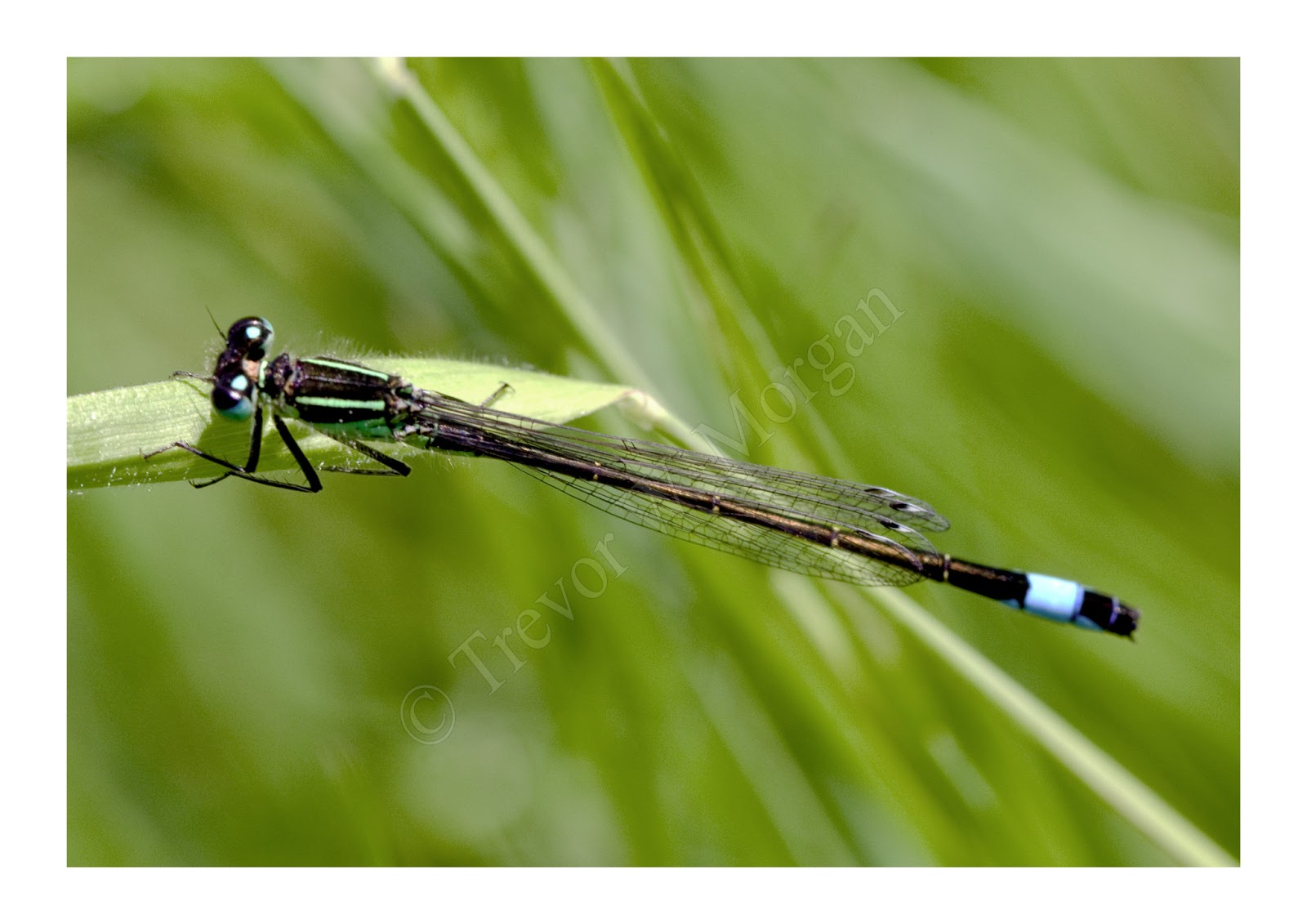
The Blue-tailed Damselfly (ischnura elegans) is one of our commonest species and  is abundant from May to September in lowland habitats around still and slow-moving water. It avoids fast flowing and acidic water but is tolerant of brackish and sewage-enriched waters.


The abdomen in both sexes is mainly black on top with the exception of (segment) S8 which is blue or, brown in some females. Both sexes have two-toned wing spots (pterostigma) on the front wings, which are whitish towards the tip and twice as long as they are wide.


Male (typica)


Female (typica)


Apart from the typica form the female occurs in four other colour forms.


The violacea  form with violet sides


which will mature into the typica male type colouration or the olive-green thorax with brown S8  of the infuscans form as seen in the mating wheel (or Copula - 'in cop') below.


The rufescens form with orange - pink sides


 which will mature into the pale brown colours, with dull brown S8, of the rufescens-obsoleta form.


and seen again 'in cop' in the image below.


These are the most likely Damselflies to be observed 'in cop' as they can typically stay  in the mating wheel position for up to six hours....in some of the Dragonfly species, such as the Chasers, it can be as little as a few seconds!


* information taken from the excellent reference book... Britain's Dragonflies by Dave Smallshire and Andy Swash.  Published by WildGuides Ltd.


Friday, 28 June 2013

COMMON-SPOTTED ORCHID


A couple of days ago I went in search of Orchids.

The first place I looked at, I remembered it from last year's breathtaking display,  was rather disappointing!  It's a National Trust property and all through the winter and early spring it's been grazed by their small herd of Belted Galloway cattle unfortunately it looks like they've had rather a drastic effect on the Orchids...not one to be seen anywhere!!


The second site fared much better with a grand display of predominantly Common-spotted Orchids a few Fragrant Orchids and the odd spike of Pyramidal Orchid there was also a good selection of Common Twayblade.


It wasn't until I began to process the images and identify the different species that I noticed that there is a big variation in the colour and markings of the Common-spotted Orchid....Ah ha! I thought, a good subject for a blog post!


The Common-spotted Orchid (dactylorhiza fuchsii) can grow up to70cm tall. it has numerous narrow pointed basal leaves that are spotted or blotched with purple/ brown marks that can vary considerably in shape and density. The flower spike is made up of closely packed flowers that can vary in colour from pale lilac through pink to white. The lip is marked with a symmetrical  pattern of one to three purple loops and varying amounts of dots.


Have you noticed that the word 'varying' seems to crop up rather a lot when describing this Orchid?

I hope the following images will make things a little clearer!


Orchid country....just a small area of the magnificent display


 I think you'll agree a very challenging flower to ID even before you add into the mix the hybrids that can occur when they grow in proximity to other species.


Sunday, 6 November 2011

THE COLOURS OF AUTUMN


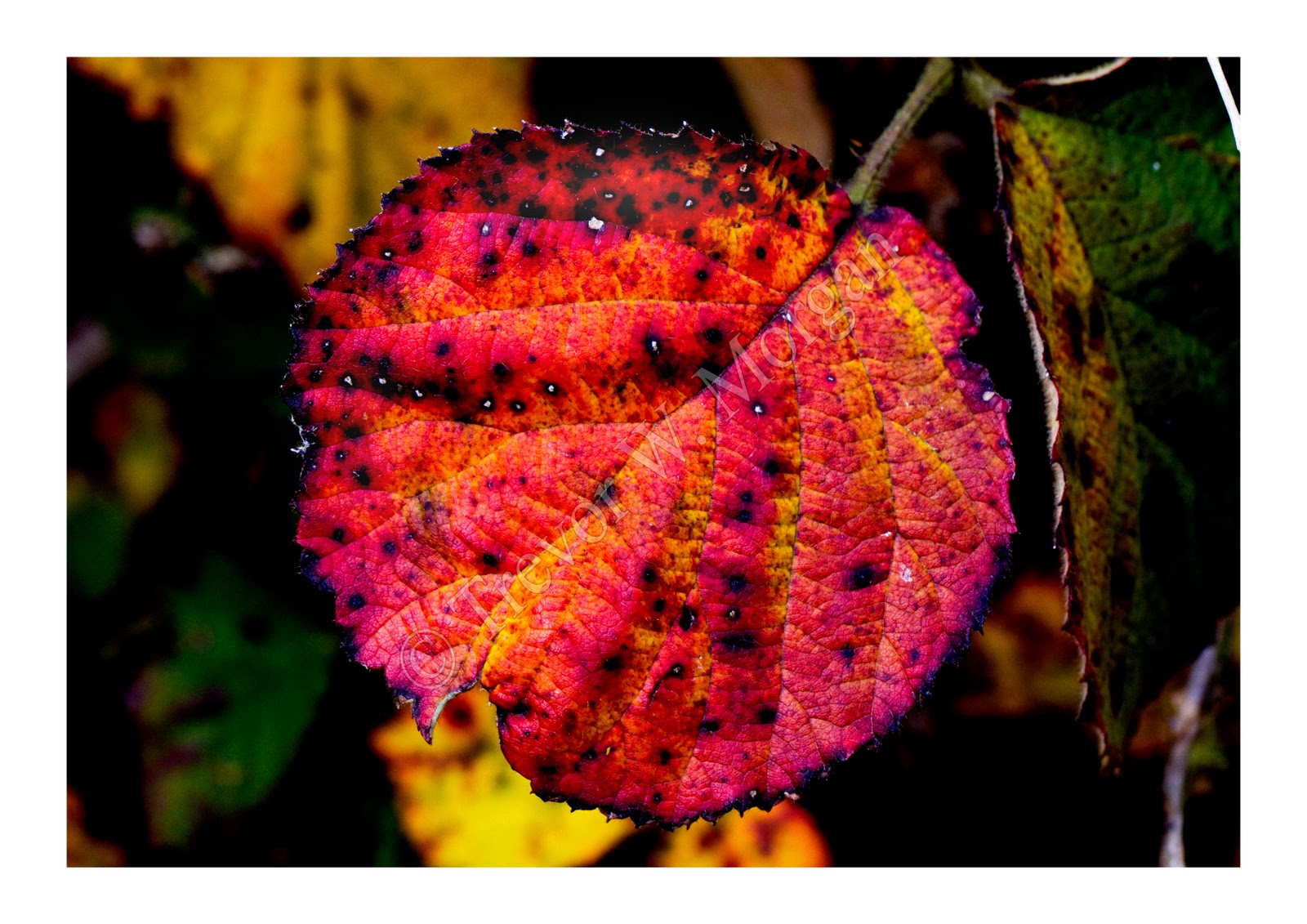
A couple of days ago, in patchy Autumn sunshine and dark clouds, I went for a walk around my local patch....Ashridge Estate, Ivinghoe Beacon hills and Incombe Hole. Whilst the sun was shining the golds and reds of Autumn made for a stunning display.

Ashridge


Looking East from the base of Ivinghoe Beacon


 Whitebeam     (I think!)


Beech


And finally.... I spied this chap admiring the view whilst taking a ride on a passing cloud!


Isn't nature a beautiful thing?